

 (647) 559-4766
 Home
Home Gift Cards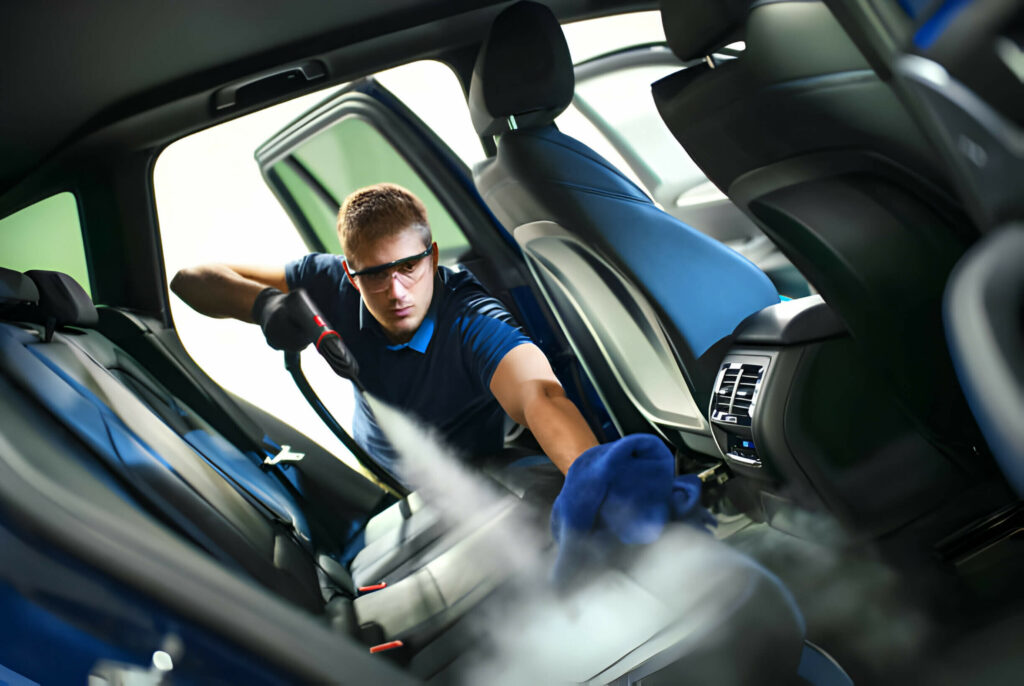
Introduction to Interior Car Detailing
Interior car detailing is a comprehensive cleaning process that focuses on the inside of the vehicle, aiming to restore it to a like-new condition. This meticulous procedure goes beyond a basic cleanup, addressing every nook and cranny of the car’s interior. It involves several detailed steps designed to clean, protect, and preserve all interior components, including seats, carpets, dashboard, windows, and all other surfaces.
What Interior Car Detailing Involves
- Vacuuming and Shampooing: The process starts with thoroughly vacuuming to remove dust, debris, and loose particles from carpets, seats, and other upholsteries. Shampooing can then deep clean these fabrics, eliminating stains and embedded dirt.
- Leather Trimming: These areas are carefully cleaned and conditioned if the car has leather components. This not only cleans the leather but also keeps it soft, preventing cracks and damage over time.
- Cleaning Hard Surfaces: All hard surfaces, including the dashboard, center console, door panels, and others, are wiped down to remove dust and grime. Special cleaners are used to avoid damaging sensitive materials.
- Window and Mirror Cleaning: Windows and mirrors are cleaned to streak-free perfection, improving visibility and the overall appearance of the interior.
- Deodourizing: The entire interior is deodourized to eliminate any unpleasant odours, leaving the car smelling fresh.
- Detailing and Finishing Touches: Advanced detailing might include steam cleaning, application of protectants to plastic and vinyl surfaces to prevent UV damage, and meticulous attention to detail in all areas, including vents, under seats, and in other hard-to-reach places.
Essential Tools and Products for Interior Detailing
When embarking on interior car detailing, having the right tools and products at your disposal is crucial for achieving professional-level results. This section outlines the equipment and cleaning agents necessary to clean and maintain your vehicle’s interior thoroughly.
Detailing a car’s interior requires various specialized tools and cleaning products. The goal is to address every surface and material type found inside your vehicle, from the dashboard to the carpets. Here’s a comprehensive list of what you’ll need:
- Microfibre Cloths: Essential for wiping surfaces without scratching. Use different cloths for different areas to avoid cross-contamination.
- Vacuum Cleaner with Attachments: A powerful vacuum with various nozzles can effectively reach tight spaces and remove dirt and debris.
- Upholstery and Carpet Cleaners: Specialized cleaners designed to remove stains and odours from fabrics without damaging them.
- Leather Cleaner and Conditioner: Products specifically formulated for cleaning and maintaining leather surfaces, keeping them soft and preventing cracks.
- Plastic and Vinyl Cleaner: Gentle cleaners that can remove grime from dashboard and door panels without leaving residues.
- Glass Cleaner: A streak-free formula is essential for cleaning windows and mirrors.
- Detailing Brushes: Various sizes of soft-bristled brushes to dust and clean vents, buttons, and intricate areas.
- Steam Cleaner: Optional for deep cleaning and sanitizing upholstery, carpets, and hard surfaces without chemicals.
Also Read: Top 7 Benefits of Interior Car Detailing
Choosing the Right Cleaning Agents
Selecting appropriate cleaning agents is critical to protect your car’s interior surfaces while effectively removing dirt and stains.
- pH-Neutral Formulas: Opt for pH-neutral cleaners to protect interior surfaces from damage.
- Specificity: Use cleaners specifically designed for the materials in your car, such as leather or fabric upholstery cleaners, to avoid harming these surfaces.
- Eco-Friendly Options: Consider using biodegradable and non-toxic cleaning products, which are safer for you and the environment.
- Test Before Use: Always test any cleaner on a small, inconspicuous area to ensure it does not discolour or damage the material.
Brushes and Tools for Effective Cleaning
The right brushes and tools are indispensable for accessing and effectively cleaning all the nooks and crannies of a car’s interior.
- Soft-Bristled Brushes: Ideal for gently cleaning leather and upholstered surfaces without scratching.
- Detailing Brushes: Small, soft brushes for reaching into air vents, around buttons, and other tight spaces.
- Scrub Brushes: Stiffer brushes for tackling tougher stains on carpets and floor mats.
- Microfibre Applicators: For applying cleaners and conditioners on surfaces like leather and vinyl.
- Crevice Tools for Vacuuming: Attachments that help reach between seats, under pedals, and other hard-to-reach areas.
Equipped with these essential tools and products, you’ll be well-prepared to tackle the interior detailing of your car, ensuring every surface is meticulously cleaned and maintained for a pristine look and feel.
Step-by-Step Guide to Cleaning Your Car’s Interior
Cleaning your car’s interior is not just about maintaining its appearance; it’s also about creating a healthier and more enjoyable driving environment. A well-executed interior detail can transform the inside of your car, making every journey more pleasant. Here’s a comprehensive, step-by-step guide that walks you through the process of thoroughly cleaning your car’s interior, ensuring no detail is overlooked.
Removing Trash and Debris
The first step in detailing your car’s interior is to remove all the trash and personal items from every nook and cranny. Start by emptying the door pockets, cup holders, and center console. Don’t forget to check under the seats for any hidden items or debris. Once you’ve cleared out the trash, remove the floor mats. These will need to be cleaned separately, but removing them gives you unobstructed access to the car’s carpets.
Vacuuming Carpets and Upholstery
With the interior cleared, it’s time to start vacuuming. Begin with the seats, using a brush attachment to loosen and remove dust and debris from the fabric. For leather seats, be gentle to avoid scratches. Switch to a crevice tool to vacuum the spaces between seats, along the sides, and under the dashboard. This tool is particularly useful for reaching those hard-to-access areas where dust and small particles tend to accumulate. Don’t forget to vacuum the floor mats you removed earlier, using strong strokes to remove all the dirt.
Cleaning and Conditioning Leather
Leather interiors require special care to keep them looking their best. Start by applying a small amount of leather cleaner to a microfibre cloth or a soft-bristled brush. Gently work the cleaner into the leather in a circular motion, taking care not to saturate the material. Once you’ve cleaned the leather, use a clean, slightly damp cloth to remove any leftover cleaner. After the leather has dried completely, apply a quality leather conditioner. This step is crucial for keeping the leather supple and preventing cracks or fading. Use a clean microfibre cloth to apply the conditioner evenly, then buff gently to bring out the shine.
Cleaning Interior Plastics and Trim
The dashboard, center console, and door panels often collect dust and can become breeding grounds for bacteria. Start by using a soft-bristled detailing brush to gently dust off these areas, dislodging any dirt trapped in small crevices. Next, apply a plastic and trim cleaner to a microfibre cloth and wipe down all plastic components. Choosing a cleaner that won’t damage the surface or leave a sticky residue is essential. After cleaning, use another clean microfibre cloth to buff the surfaces dry. This ensures a streak-free finish and restores the matte look of the plastics. Consider applying a UV protectant to these surfaces for added protection, especially in vehicles exposed to a lot of sunlight. This can prevent fading and cracking over time.
By following these detailed steps, you’ll enhance the appearance of your car’s interior and protect and preserve its materials for the long haul. Regular interior detailing is a crucial aspect of vehicle maintenance, contributing to both the car’s resale value and your enjoyment of it.
You Might Also Like: The Ultimate Guide to Mould Removal from Your Car Interior
Specialized Techniques for Different Materials
Caring for Leather Surfaces
Leather is a luxurious material that adds a premium feel to any car interior but requires specific care to maintain its look and feel. Start by using a cleaner specifically designed for leather; these are usually pH-balanced to ensure they clean without damage. Apply the cleaner with a soft microfibre cloth or a soft-bristled brush, working in small sections and using circular motions to lift dirt and oils. After cleaning, it’s essential to apply a leather conditioner. This step helps to replenish the natural oils lost over time, preventing the leather from drying out and cracking. Use a clean microfibre cloth to apply the conditioner evenly, and allow it to absorb fully before buffing off any excess with another clean cloth. Regular care keeps leather looking its best and extends its lifespan.
Treating Stains on Upholstery
Fabric upholstery can be tricky to clean, especially when dealing with stains. The key is to act quickly; the longer a stain sits, the harder it is to remove. Begin by blotting fresh stains with a clean, absorbent cloth to remove as much of the spill as possible. Avoid rubbing, as this can push the stain deeper into the fabric. A mixture of water and a gentle fabric cleaner should be effective for most stains. Apply the solution to the stain and gently dab with a microfibre cloth. For tougher stains, you may need a specialized upholstery cleaner or a steam cleaner, which can lift stains without saturating the fabric. Always test any cleaner in an inconspicuous area first to ensure it won’t cause discolouration or damage.
Polishing Interior Metals
Many cars feature metal accents or components within their interiors, ranging from decorative trim to functional parts like gear levers. Keeping these metals clean and polished can significantly enhance the overall look of your car’s interior. Start by dusting off the metal parts to remove any loose dirt. Then, use a metal polish suited to the type of metal (aluminum, chrome, stainless steel, etc.) and apply it with a soft, clean cloth. Rub in a circular motion until you see a bright, clean finish. A small, soft-bristled brush can help apply the polish to intricate metal parts or hard-to-reach areas. Finish by wiping away any excess polish with a clean cloth, revealing the metal’s natural shine.
Adopting these specialized techniques for the various materials found in your car’s interior ensures thorough cleaning and contributes to the longevity and beauty of these surfaces. Regular maintenance tailored to each material type will keep your car’s interior looking and feeling its best for years to come.
Advanced Interior Detailing Tips and Tricks
Eliminating Tough odours
Battling persistent odours in a car’s interior can be challenging, but it’s possible to eliminate them entirely with the right approach. The key is to address the source of the odours rather than merely masking them. Enzyme-based cleaners can be particularly effective for organic odours, such as those caused by food spills or pets. These cleaners work by breaking down the odour-causing molecules. For tougher smells like cigarette smoke, using activated charcoal or an ozone generator can help neutralize odours at the molecular level. Placing a bag of activated charcoal in the car for a few days can absorb a wide range of smells, while an ozone generator, used cautiously following the manufacturer’s instructions, can purify the air and surfaces within the vehicle.
Detailing Hard-to-Reach Areas
Hard-to-reach areas like the space between seats, under the dashboard, air vents, and cup holders often get overlooked during regular cleaning but can accumulate a surprising amount of dirt and debris. To effectively clean these areas, use a combination of tools like soft-bristled brushes, microfibre cloths, and cotton swabs dipped in cleaner. A compressed air canister can blow out dust and debris for air vents, while a slim detailing brush can remove buildup from the slats. Paying attention to these details can significantly contribute to your car’s interior’s overall cleanliness and appearance.
Using Steam Cleaning for a Deep Clean
Steam cleaning is a powerful method for deep cleaning the interior of a car, offering both sanitization and dirt removal without the need for harsh chemicals. A quality steam cleaner can penetrate fabric seats, carpets, and headliners, lifting stains and killing bacteria and allergens. It’s also incredibly effective for cleaning and sanitizing hard surfaces, including dashboards, door panels, and cup holders. When using a steam cleaner, keeping the nozzle moving is essential to avoid saturating any one area, which could lead to moisture damage. Additionally, always follow up with a microfibre cloth to remove residual moisture and lifted dirt, ensuring a dry and clean finish.
These advanced interior detailing tips and tricks can help you achieve a level of cleanliness and freshness that rivals professional detailing services. By focusing on eliminating odours, reaching every nook and cranny, and employing deep-cleaning techniques like steam cleaning, you can ensure your car’s interior is not just clean but also healthy and inviting.
Maintaining Your Car’s Interior Post-Detailing
Daily and Weekly Maintenance Tips
- Regular Cleaning: Incorporate quick daily cleanups into your routine. This could be as simple as removing trash, wiping down surfaces with a microfibre cloth, or shaking the floor mats. Weekly vacuuming can prevent dirt from embedding into carpets and upholstery.
- Immediate Stain Treatment: Attend to spills and stains immediately to prevent them from setting in. Keeping a small kit of cleaning supplies in your car, such as microfibre cloths and a mild cleaner, can be a lifesaver for quick spot treatments.
- Use Car Mats: Protect the flooring with high-quality car mats. They trap dirt, moisture, and wear, significantly reducing the cleaning effort required. Ensure they are cleaned regularly to prevent dirt transfer.
- Keep the Interior Clutter-Free: A cluttered car tends to accumulate more dirt and dust. Regularly decluttering helps maintain a clean interior and makes cleaning tasks quicker and more efficient.
Protecting Your Interior from Sun Damage
- Use a Windshield Sunshade: Sunlight can fade and damage interior surfaces over time. Using a sunshade when parked outdoors can significantly reduce sun exposure, protecting the dashboard and upholstery.
- Condition Leather Regularly: Regular conditioning is vital for cars with leather interiors to prevent drying and cracking due to sun exposure. Use a high-quality leather conditioner that includes UV protection.
- Tinted Windows: Consider installing UV-protective window tint to reduce sun damage to the interior. In addition to protecting surfaces and fabrics, it can keep your car cooler, reducing the strain on the air conditioning system.
When to Schedule Professional Detailing
- Regular Intervals: Depending on how heavily the car is used and exposed to the elements, scheduling a professional detailing session every 4 to 6 months can keep the interior in top condition.
- After Significant Events: If your car has been subject to extreme conditions, such as a beach trip that introduced sand and salt or transporting pets that may have left behind fur and odours, it might be time for a professional cleanup.
- Before Selling: Professional detailing can significantly increase a vehicle’s appeal and value. If you plan to sell your car, a thorough detailing can make it more attractive to potential buyers.
Maintaining your car’s interior post-detailing requires a combination of regular upkeep, protective measures against environmental damage, and the strategic use of professional detailing services. By following these tips, you can enjoy a clean, comfortable, and well-maintained vehicle interior for years to come.
You Might Also Like: What Does a Full Car Detail Include?
Common Mistakes to Avoid in Interior Detailing
Using Incorrect Cleaning Products
One of the most common mistakes is using cleaning products that are unsuitable for the specific materials inside your car. For example, using a generic household cleaner on leather can cause drying, cracking, or discolouration. Always opt for products specifically designed for automotive interiors and the materials you are cleaning.
Overlooking the Importance of Testing Products
Before applying any product to a prominent area of your car’s interior, test it on a small, inconspicuous area first. This step is crucial to ensure that the product does not adversely affect the material, whether discolouration, staining, or damage to the finish.
Neglecting Hard-to-Reach Areas
Dirt and debris tend to accumulate in the nooks and crannies of car interiors, such as under seats, upholstery seams, and around buttons and controls. Failing to address these areas can leave your detailing job incomplete and allow grime to build up over time.
Applying Too Much Water or Product
Excessive use of water or cleaning products can lead to mould, mildew, or water stains, especially on upholstery and carpets. Use products sparingly and focus on targeted cleaning to avoid saturating materials. When dealing with upholstery, using a damp cloth is better than a wet one.
Ignoring Fabric and Carpet Stains
Stains on fabrics and carpets should be treated as soon as possible. The longer a stain sets, the harder it will be to remove. Ignoring these stains detracts from the appearance of your car’s interior and can lead to odours and permanent damage.
Forgetting to Protect After Cleaning
Cleaning is only half the battle; protection is equally important. After cleaning surfaces, especially those exposed to sunlight and frequent use, apply a protectant to help preserve the material against UV rays, spills, and wear. For example, use a UV protectant on the dashboard and a leather conditioner on the leather seats.
Using the Wrong Tools for Cleaning
Using inappropriate tools, such as a hard brush on soft surfaces or an overly abrasive cloth, can cause scratches or damage. Always use soft brushes, microfibre cloths, and applicators designed for automotive detailing to ensure safe and effective cleaning.
Leaving Windows and Mirrors Streaky
Windows and mirrors should be left crystal clear for both aesthetic and safety. Streaks can impair visibility and detract from the car’s overall cleanliness. Use a high-quality glass cleaner and a clean, lint-free cloth to achieve a streak-free finish.
Failing to Remove Personal Items and Trash First
Starting your detailing process without first clearing out personal items, trash, and other debris can hinder your cleaning efforts and lead to a less thorough job. A clean, empty interior ensures you can reach all areas without obstruction.
By avoiding these common mistakes, you can ensure your interior detailing efforts are effective, preserving the appearance and longevity of your car’s interior. Remember, the goal of detailing is not just to clean but to maintain and protect your vehicle’s interior for the long haul.
FAQs
What is the best way to clean car interior plastics and trim?
The best method for cleaning car interior plastics and trim involves using gentle yet effective products and techniques to avoid damage while ensuring a thorough clean. Start by dusting with a microfibre cloth to remove loose dirt. Then, apply a mild automotive interior cleaner designed for plastics and trim onto the cloth, not directly on the surfaces, to prevent overspray. Use the cloth to wipe down surfaces gently, and for tight areas, employ a soft-bristled brush lightly dipped in the cleaner. After cleaning, dry and buff the surfaces with a clean microfibre cloth to avoid streaks and bring out the shine. To add protection and maintain the appearance over time, apply a UV protectant made explicitly for automotive interiors. This routine ensures your car’s plastics and trim are clean and preserved against wear and environmental damage.
How can I remove stains from car upholstery effectively?
To effectively remove stains from car upholstery, identify the type of stain and upholstery material, which will determine the best cleaning approach. For fabric upholstery, blot any fresh stains immediately with a clean, absorbent cloth to remove excess liquid. Apply a mixture of water and a suitable fabric cleaner or a mild detergent, and gently dab the stain with a microfibre cloth. Avoid rubbing to prevent the stain from spreading. For tougher stains, a specialized upholstery or steam cleaner can be used for a deeper clean, following the product’s instructions carefully. Use a leather-specific cleaner and a soft cloth to apply the product for leather upholstery, then wipe away gently. After cleaning, applying a fabric protector or leather conditioner can help prevent future stains. Always test any cleaner on a small, inconspicuous area first to ensure it does not damage the upholstery.
What are the best practices for cleaning and conditioning leather car seats?
The best practices for cleaning and conditioning leather car seats involve carefully preserving the material’s integrity and appearance. Start by vacuuming the seats with a soft brush attachment to remove dust and debris. Apply a pH-balanced leather cleaner onto a microfibre cloth or soft-bristled brush, gently working it into the leather in circular motions to lift dirt without saturating the material. Wipe away the cleaner with a damp cloth, then dry with a clean, soft towel to avoid leaving moisture behind. After cleaning, apply a quality leather conditioner to keep the leather supple and prevent cracks. Use a clean microfibre cloth to distribute the conditioner evenly, allowing it to absorb before buffing off any excess. This process not only cleans the seats but also protects them against wear and aging, maintaining your leather interior’s luxurious feel and look. Always test products in an inconspicuous area first to ensure compatibility with your leather.
How can I eliminate bad odours from my car interior?
Eliminating foul odours from your car interior requires a combination of cleaning and deodorizing strategies. Start by thoroughly cleaning the interior, including vacuuming carpets and upholstery and wiping down all hard surfaces. Fabric and upholstery cleaners can help remove odours absorbed into seats and carpets. For persistent smells, especially those caused by spills or pets, use an enzymatic cleaner designed to break down odour-causing molecules. Baking soda is also effective for absorbing odours; sprinkle it on carpets and seats, let it sit for a few hours, then vacuum it up. If the odour persists, consider using a car odour eliminator or a car-specific air freshener to neutralize smells.
Additionally, placing activated charcoal or coffee grounds in a container under a seat can help absorb lingering odours over time. For extreme cases, such as cigarette smoke, professional ozone treatment may be necessary to eliminate the odour completely. Regularly airing out your car by leaving the windows open when possible can also help prevent odours from building up.
How do I clean the car’s headliner without causing damage?
Cleaning your car’s headliner safely involves using a gentle approach and the appropriate products to prevent damage, such as sagging or discolouration. Start by selecting a mild, fabric-safe cleaner; ideally one specifically designed for automotive interiors. It’s crucial to first test the cleaner on a small, hidden area of the headliner to ensure it won’t cause any adverse effects. When applying the cleaner, do so sparingly by spraying a small amount onto a microfibre cloth or using a foam applicator rather than directly onto the headliner to minimize the wetness of the fabric. Gently dab the stained or dirty areas with the dampened cloth without rubbing vigorously to avoid disturbing the fabric and its underlying adhesive. If you encounter more persistent dirt, consider using a soft-bristled brush with gentle circular motions to loosen the dirt before dabbing it away. Allow the headliner to air dry thoroughly, avoiding direct heat sources like hairdryers, as these can shrink the fabric or melt the adhesive. If necessary, a handheld steam cleaner can be used cautiously for very light stains or to freshen up the headliner, ensuring that it does not saturate the fabric. Following these careful steps will help you clean your car’s headliner effectively while maintaining its condition.

Related Posts
Interior vs. Exterior Car Detailing
There’s more to car detailing than making your vehicle look good. It’s also about preserving…
How To Get Rid of Mould in Your Car? Ultimate Guide
When it comes to maintaining a pristine car interior and preventing mould growth, mobile car…
Top 7 Benefits of Interior Car Detailing
When considering automotive care, the emphasis often falls on exterior maintenance, overlooking the significance of…